Siobhan Patia: Acknowledge the mana in the challenge

The Ocean conference ended two weeks ago and since coming back I’ve had a mixed set of emotions and thoughts. Despite being disheartened and downright offended by our formal political leadership I had the opportunity to connect with amazing people doing purposeful work in this space. My compass has been a bit clouded in the last year as to "what's next?" and this space has offered some ideas on answering that question.

Connections & leadership

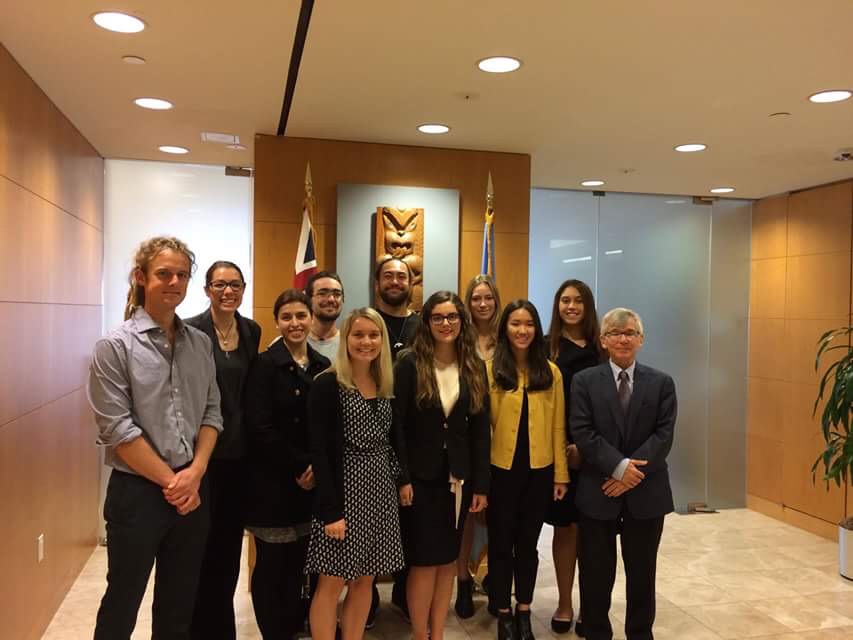
We met with the NZ Minister for Conservation and it was uneventful. We tried as a delegation to seek transparency on the voluntary commitments made. Being election year, promises are brittle and in any case the meeting was monopolised on the topic of pests and other concerns outside of ocean health. I won't delve into some of the more concerning rhetoric that came forth however it has made me heavily question my role and time working in Public Sector and it being a space for meaningful action and change (not that I don't already do that). I think at the frontline level it does but beyond that I am sceptical. 

I got to spend time with the group that was here from Te Tairawhiti, Te Ikaroa. I felt embarrassingly ignorant about indigenous rights and discourse however enjoyed their company. I am not surrounded by this in my day to day work so miss being in the space for this discussion daily, as I had flavours of this throughout my law and arts degrees. They invited me to sit in with them on some of their meetings with other groups like the family from the Saint Regis Mohawk tribe battling the issue with the Dakota Pipeline contract. Discussions revolved around transgressions against indigenous rights and issues which I know some things about from a fragmented perspective throughout my studies. They all seem like strong indigenous leaders which I was humbled by. If anything, spending time with them highlighted how very little I know but my desire to learn more in that area. I have a steep learning curve ahead of me and have begun looking into different avenues for learning, whilst maintaining a critical lens on the essence of the learning and experiences I’m looking for.

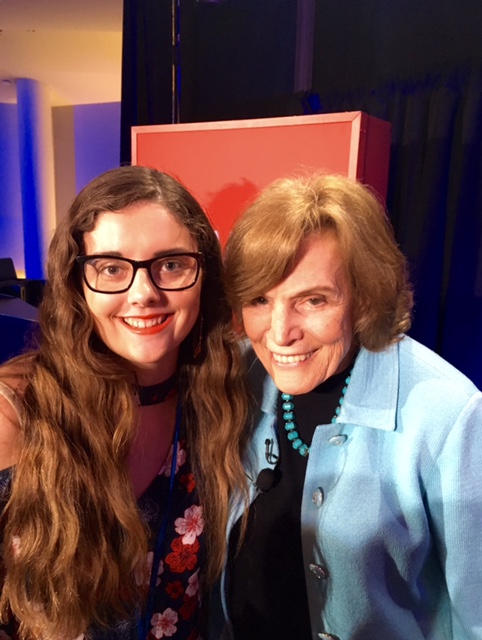
Meeting Barbara Pyle was also a delight – not only because she is the creator of the Captain Planet cartoon that I grew up on, but because she has a no-hold approach to getting environmental initiatives across the line. She is definitely a character I hope to bump into at a later stage again. 
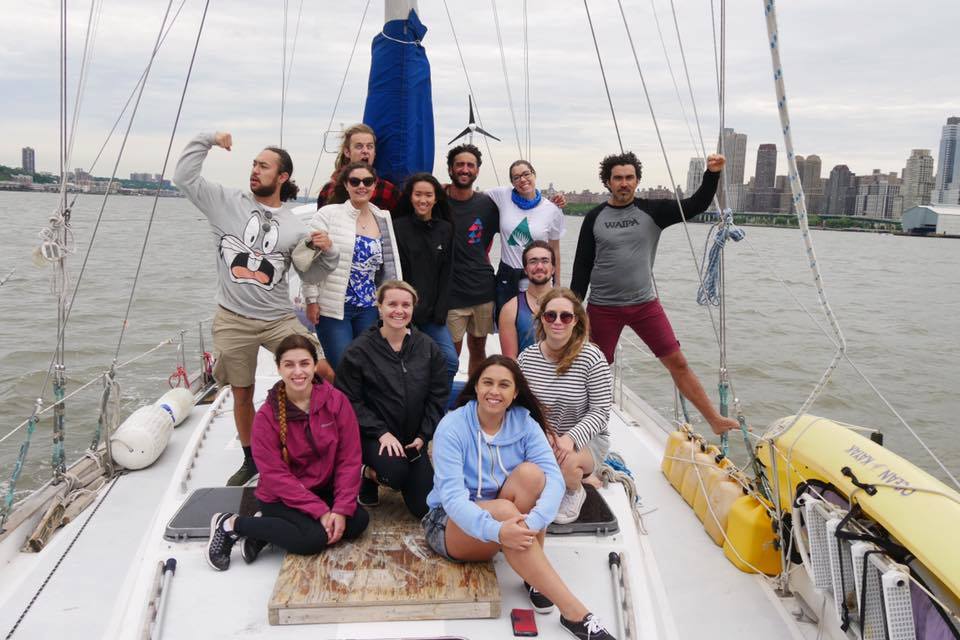
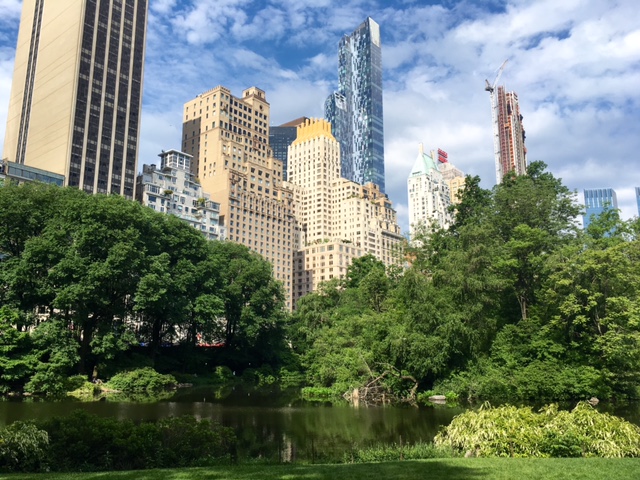
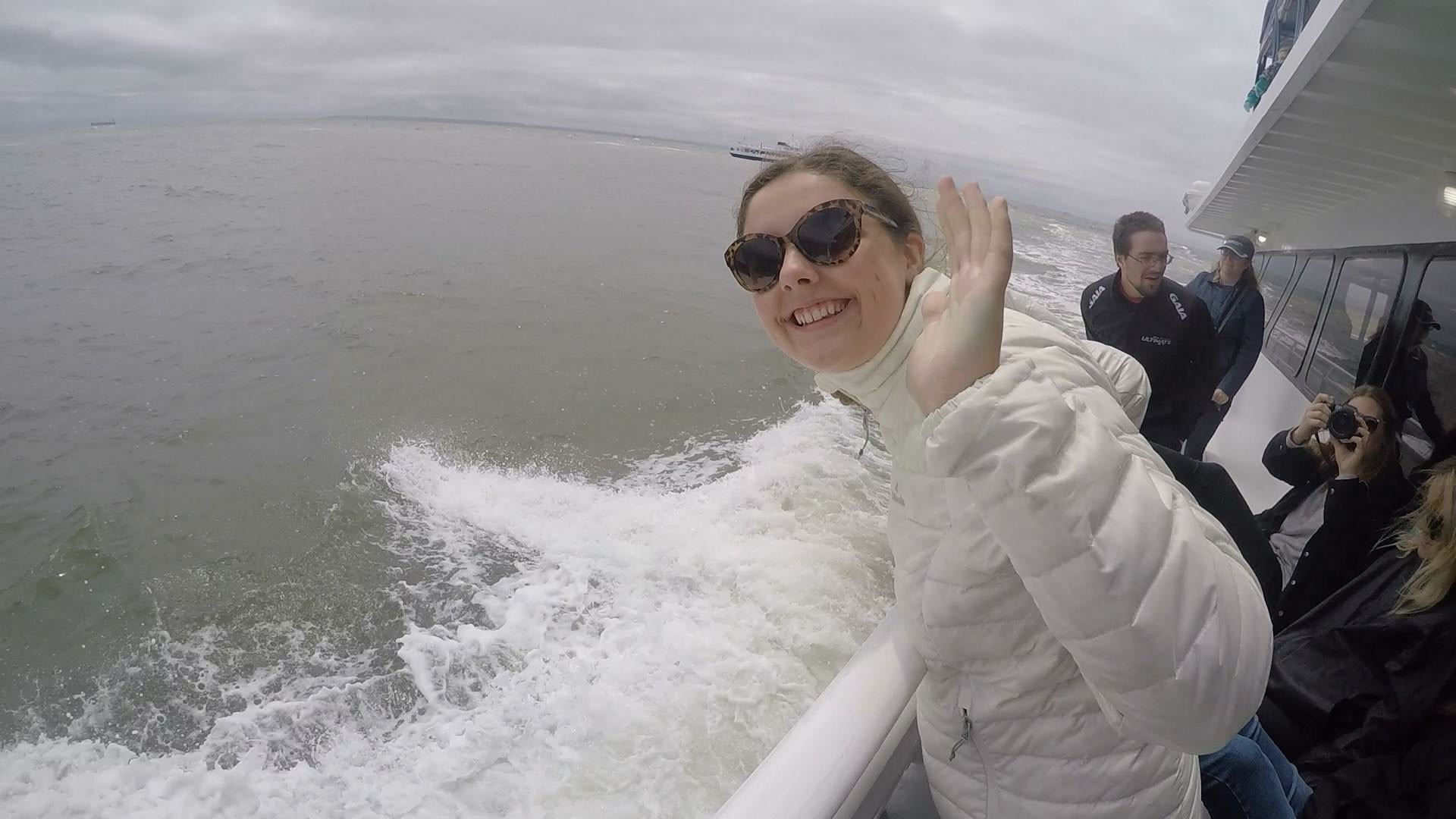
On the Hudson with some of the boys from Te Ikaroa

On the Hudson with some of the boys from Te Ikaroa

Transparency

The semantics of the development and sustainability interface were evident across most of the conference. However there was only one session I attended that explicitly bought it up; it may have been discussed in other sessions as well. In any case, it made me even more sceptical about which stakeholders weighed sustainability or protection higher than development. I must ask – how much of this development agenda would be radically different if it were not for colonialism and power-dynamics on an international scale? Or am I romanticising what and how I think my ancestor’s vision for their Pacific would be at various levels?

As an aside, I also question some of the side-event content that had a religious element – not because I am against it but because of the flavour of colonialism this adds to the arena for international relations.

New tides

It was quite an abrupt change of scene coming back to the hospital and I’m hastily catching up on my projects and work. I landed in time to finish my health management paper for the semester and have finally come down from the jet lag. When catching up with a mentor last Friday, I mentioned the acute sadness I had because it felt like coming back to a place where I question my value-add particularly because I am in a non-clinical role.

I spoke to a mentor about my desire to align myself to work that feeds my soul a little more whilst is still challenging and builds my skillset. Outside of this what she next shared had a wider application than just to my career-identity crisis (which shows my privilege somewhat). She said that every challenge is like a maunga (mountain) and that each maunga possesses mana. Despite the uneasiness prior to and during climbing that mountain, it is up to me to take the mana it possesses if I so choose. There is no point in climbing half a mountain to only receive half the mana, if there ever is such a thing; it doesn’t make sense. To this end, I am looking into options in further study and other work that allows me to have more interface with environmental justice.

Overall, the conference was as I expected however I think this trip was a success because of the relationships I started and discussions I was introduced to. The challenge from this point is to nurture them so that I stay engaged, particularly if I want to do work in this space.

Since returning some our delegation are planning to present an update to the UNANZ executive committee following their SDG Conference in Wellington. There is discussion underway on what voluntary commitments of our own we intend to undertake within the next 6 months as well as research projects. This forms part of our fellowship requirements with AYLI alongside attending the conference. There are discussions underway to do some joint education outreach to schools, Marae and community groups on ocean acidification. I’m toying with idea’s around tacking on a media/spoken word piece to this as well for my research project. In any regard, although the trip was really fun, the real work happens from here onward.

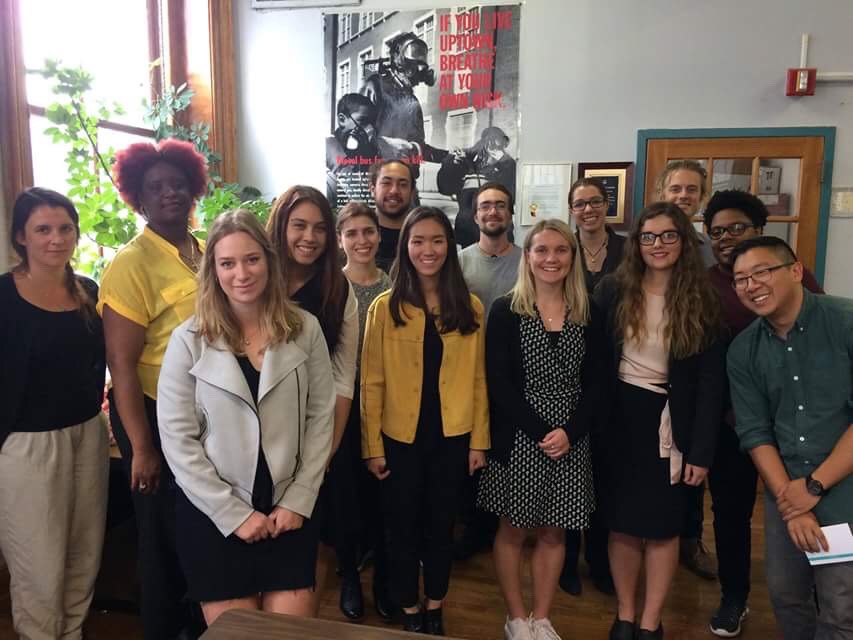
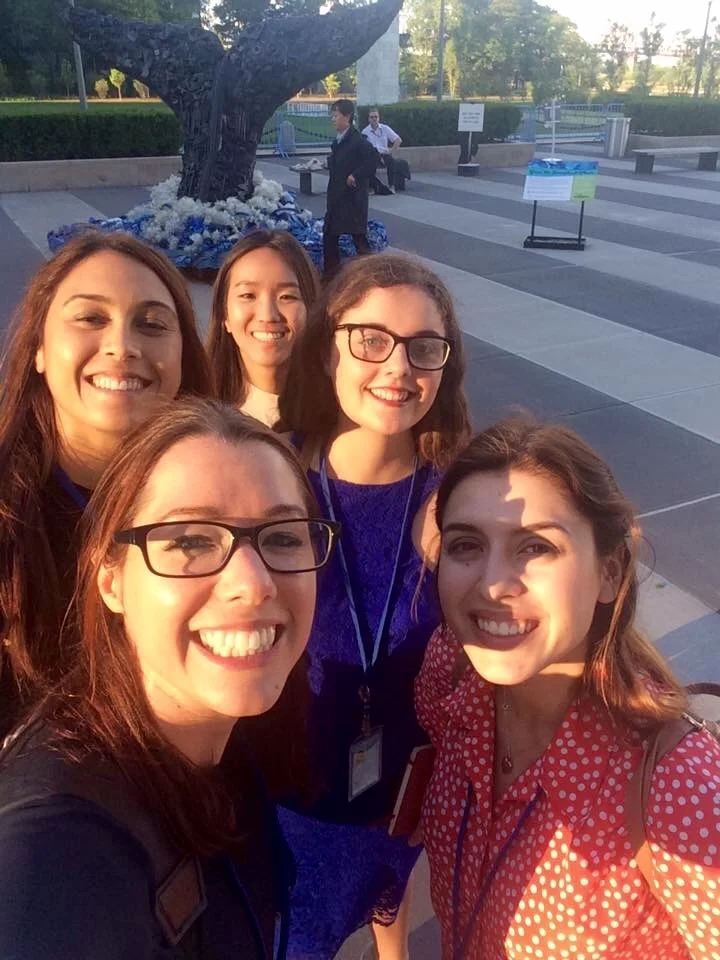
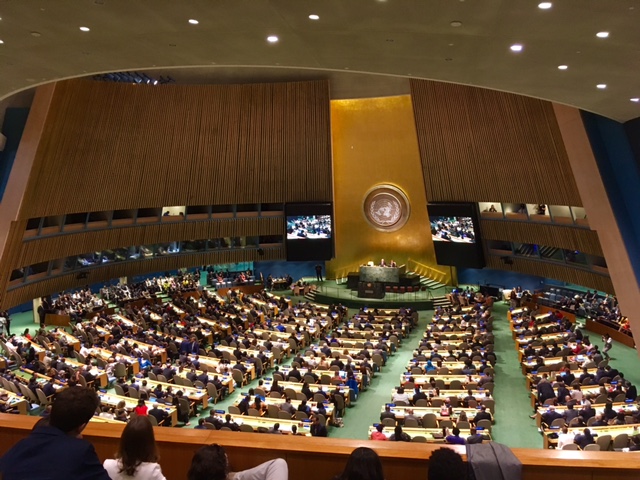
Last day at the conference - that's a wrap!

Last day at the conference - that's a wrap!

--
All posts by Institute delegates reflect their own thoughts, opinions and experiences.
Posted on June 27, 2017 and filed under UN Ocean Conference 2017.

Shaymaa Arif: Heritage and Identity

I care about making it clear once and for all that the protection of heritage sites is so incredibly important and taking that away is stripping away our connections with the land. It is trying to erase traces of a civilisation and a people by way of erasing their history. There needs to be a bigger movement, a bigger push to educate the world on the importance of protecting heritage.

Posted on June 26, 2017 and filed under World Heritage 2017.

Christophe Gillain: World Civilisation and its Discontents

Ever since hearing the brilliant speakers at our training weekend talk about different aspects of the politics of cultural heritage and public history, I’ve been thinking about the questions they raised. And if I’m honest, a lot of that thought has been devoted to puzzling over how to tackle this blog post.

Posted on June 21, 2017 and filed under World Heritage 2017.

Aimee Clark: We are Ocean People

I have now arrived home to windy Wellington after an incredible adventure and it certainly feels surreal to be back. Before I left for New York I had a passion, but now I have a purpose to my passion, I have a focus. I know where I see myself working and how I want to use my passion and I feel privileged to have this focus so young in life. I am so grateful to AYLI and the incredible people I have met for giving me this opportunity and sharing in my experiences.  I have learnt so much about how the UN and conferences like these work and I now feel that I understand so much more about the world and how I can effectively contribute how I want as a young leader. This has led to a few existential crises throughout the week where I have been re-evaluating my future and where I want to go in my career which is incredibly exciting as I have undergone so much personal and professional development through evaluating my experiences during this trip. 

I have just realised now that I wrote an entire blog on the last day of the conference and I forgot to post it, so I will share it now. These are the thoughts I was having while leaving New York and I hope they motivate you and your community to educate yourselves or act to protect our wild places and our precious planet. 

The oceans give us life, they give us 80% of the oxygen we breathe and this is quite literally our last chance as a species to save the oceans and save ourselves. Ecosystems are dying, wildlife is suffering across the world because of us, Small Island Developing States are drowning and we could soon by faced with the first climate change refugees.

We need to give a damn!! 

This is about human survival but it is also about the survival of the pristine places of the world, preserving the beauty with no other motive than the fact that someplace or some species is beautiful. I personally believe that all species are equal and we all have equal importance in the world, so fight to save marine organisms because they collectively and individually have just as much value as us just because they are alive.

There are so many issues facing our world and they are so complex that we need all minds and all professions to think about sustainable development and think about what they do individually to reduce their single use plastic consumption. This is our last hope and these are not just words the I have strung together to just make this sound like a profound and passionate call for action. I really mean it. This is our last hope. So get engaged and stay engaged. Ignorance will be our downfall. Know your mind and don’t let the world superpowers sway what you believe. Research properly before you start to believe something as fact as there are so many scientists out there that would just love you to read their work, as this is what they spend their entire lives doing!! Then once you are engaged and educated use this momentum you have gained and do something. Educate others, work in your community, or think bigger to the global picture. I find that using platforms like Facebook is a great tool to find opportunities to help or take action. I mean that is where I first discovered the application form for this conference.

I am lucky enough to have a real passion for something, but just because you don’t know what yours is doesn’t give you the excuse to give up looking or caring. I have definitely doubted what I am doing extensively before and probably will in the future because that is human nature. Explore what is out there because for young people in particular there are so many amazing opportunities if you just look. And once you find a focus make sure you explore all aspects that might be involved in it to build up your experience and knowledge. As I am sure I have said before I think science should be multidisciplinary, as in order to tackle the issues we face we need to look at all sides of the issue with different perspectives. To sum this little speech up just remember that you, yes you, are connected to the ocean for everything, you owe her everything and we only get one life so make sure you do something with yours that truly makes an positive impact to whatever it is that you love.

Thank you for sharing my journey, enjoy the photo gallery below. 

Aimee 

--
All posts by Institute delegates reflect their own thoughts, opinions and experiences.
Posted on June 19, 2017 and filed under UN Ocean Conference 2017.

Lucy Underwood: Is Education the Answer?

I wanted to pick on one recurring theme during the ocean conference that is Ocean Literacy, a term I hadn’t heard prior but simply defined as ‘an understanding of the ocean's influence on you—and your influence on the ocean. There are literally hundreds of organisations working on providing easy to reach and appropriate platforms for marine education, raising awareness to create change.  

Posted on June 18, 2017 and filed under UN Ocean Conference 2017.